
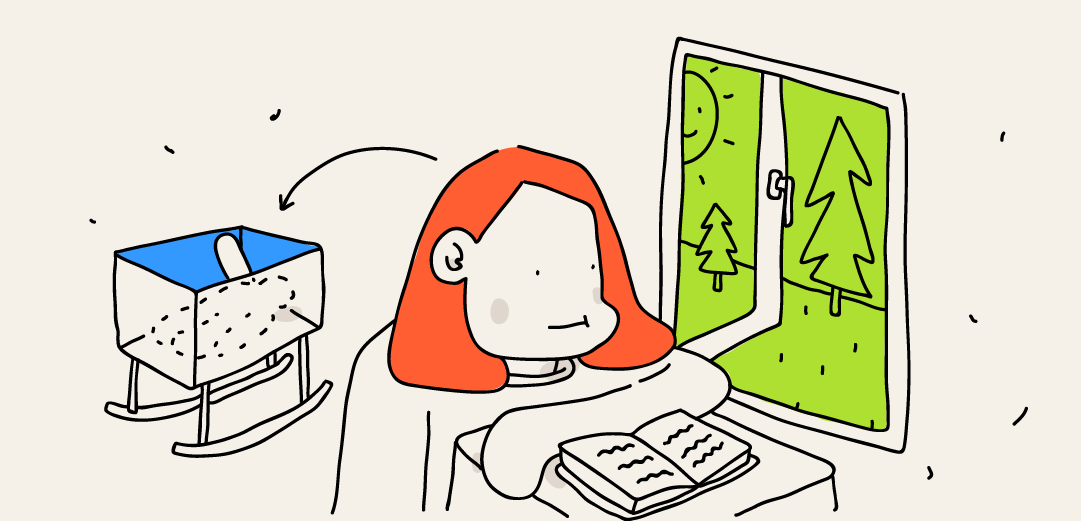
Postpartum depression
It’s important to be aware of a condition that can occur after giving birth. Postpartum depression can happen to any new mother, but keep in mind that it only happens in 10–15% of cases. There is no need to fret, but you do need to know the symptoms. The specific cause has not yet been identified, but it’s suggested that hormonal imbalance, psychotrauma, predisposition, personality type, and uncontrolled fatigue can all affect the onset of depression.
The key is to recognize when there is a real problem. If you cry and get very tired after the birth of the baby, these are not necessarily signs of postpartum depression. You probably just need to sleep, which of course is easier said than done now. It’s also normal to feel completely overwhelmed and upset, especially if you had a negative birth experience.
Depression can occur within a year after the baby is born, and a number of symptoms indicate it:
- A seemingly never-ending bad mood, intense sadness alternating with irritability, and drastic mood swings are a part of your day-to-day.
- Not having enough energy for anything.
- Not having an interest in previously favored activities.
- Sleep problems (drowsiness and insomnia) don’t go away, even if the child sleeps normally.
- Problems with appetite: absent or too high.
- Not wanting to talk to people or socialize with friends.
• Having difficulty keeping attention on something and experiencing forgetfulness.
- Finding it impossible and unbearable to care for your child. Most often, several of these symptoms appear in a woman, either immediately or gradually.
The main thing in this situation is not to hide anxious thoughts and symptoms in any way. You don’t need to be ashamed of it and blame yourself for being a “bad mother.” It is necessary to immediately tell your relatives and doctors. Don’t postpone telling them, thinking that the next day will be better — every day is important. Most of the time, depression doesn’t “just happen”, it can arise or be aggravated from overwork. The most important ways to help yourself are:
- Don’t hesitate to ask for help from relatives and friends.
- Try not to forget about yourself: rest, eat well, work out (at least 10 minutes a day for exercise, blood accelerates and endorphins are released).
• Use gadgets and tools that make baby care easier: from diapers to baby monitors to steam sterilizers.
• Chat with other moms to know that you are not alone.
• Don’t strive for the ideal image of the mother. To give birth is already a feat. Your child is alive and well and loves you. Don’t spend time on Instagram wondering how those other moms “do it” when they might be in the same boat as you.
From Hello Belly — a warm pregnancy companion with a daily tip and an assistant you can ask anything.
Get your week's tips